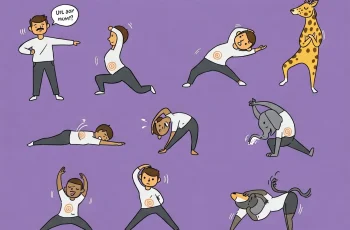
Morning stretches can be one of the best ways to start the day. They loosen tight muscles, increase flexibility, and prepare the body for daily activities. However, jumping directly into stretching after waking up is not always the best idea. The body needs a proper transition from rest to movement, and that is where warming up becomes essential. A short, focused warm-up can make stretching safer, more effective, and more enjoyable.
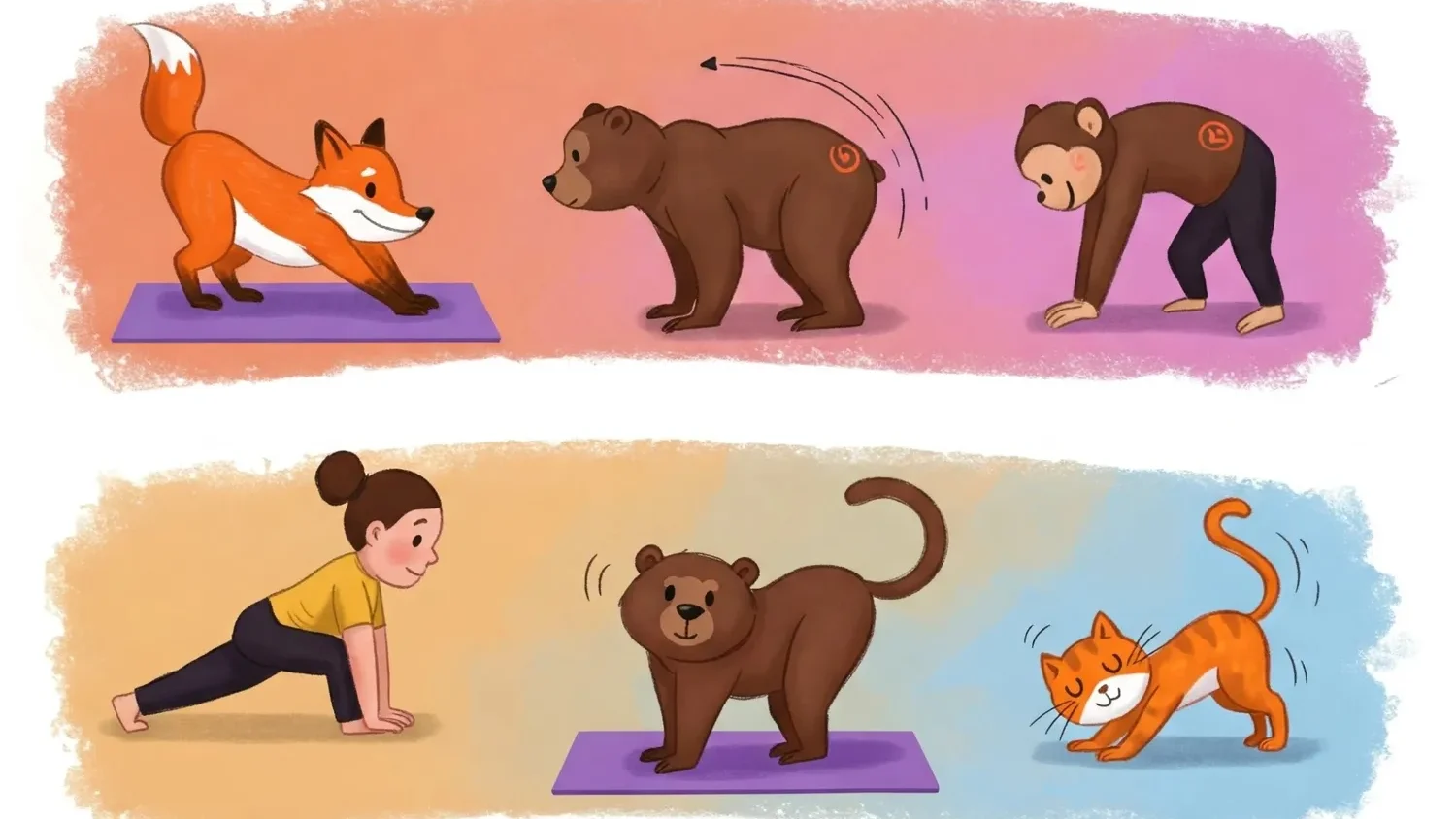
Why Warming Up in the Morning Matters
During sleep, the body remains still for hours. Joints, muscles, and connective tissues may feel stiff when you first wake up. A warm-up helps the body shift from inactivity to activity by gently increasing circulation, stimulating lubrication in the joints, and reducing the sense of tightness. This step is important for anyone who wants to stretch effectively without risking discomfort or strain.
Warming up offers three key advantages:
- Protecting the Joints
Warm-ups increase blood flow, activate surrounding muscles, and improve natural joint lubrication. This combination protects delicate tissues from sudden stress and prepares the body for wider movements. - Reducing Stiffness and Discomfort
Gentle movements ease the tension that often builds overnight. A few minutes of warm-up can transform the way the body feels, turning stiffness into flexibility and making stretches more comfortable. - Enhancing Stretching Results
Muscles that are gently warmed respond better to stretching. Range of motion improves, flexibility increases, and the results last longer when the body has been properly prepared.
Gentle Warm-up Techniques
An effective warm-up does not need to be complicated. The goal is to wake the body up gradually, not to exhaust it. A few simple techniques include:
- Joint Mobility Movements: Small, controlled circles with the neck, shoulders, wrists, or ankles help loosen joints and prepare them for more activity. These should be done slowly in both directions.
- Light Aerobic Activity: Low-intensity movements such as marching in place or slow arm swings raise the heart rate slightly and encourage better circulation. One or two minutes is often enough.
- Dynamic Stretches: Unlike static stretching, dynamic movements involve gentle motion, such as torso twists, wrist rotations, or ankle flexes. These build flexibility without pushing the body too far.
All warm-up exercises should feel comfortable. If a movement feels too intense, scale it back to a smaller range of motion.
How to Practice Warm-ups Safely
A safe and effective warm-up routine is about quality rather than intensity. To build a routine that supports long-term comfort:
- Start Gradually: Begin with small movements and slowly increase duration or intensity.
- Maintain Good Posture: Keep alignment in mind to avoid unnecessary strain.
- Stay Consistent: Even a short daily routine makes a big difference over time.
- Listen to Your Body: Adjust the length or type of warm-up depending on how stiff or energized you feel each morning.
If sharp discomfort arises, stop immediately and rest. It is better to move cautiously than to push through pain.
Tracking Progress
Keeping track of how your body responds to warm-ups can be motivating. Notice whether stiffness decreases, movements feel smoother, or stretches become easier. Writing down notes in a journal or simply reflecting each morning can highlight improvements. Over time, even small changes—like bending forward more easily or twisting with less resistance—show that the routine is working.
Common Questions
How long should a warm-up last?
Five to ten minutes is usually enough, though some people may prefer longer if they feel very stiff.
Can warm-up exercises be adjusted?
Absolutely. Movements can be tailored to match your comfort level and physical ability.
What if I feel discomfort while warming up?
Stop the activity right away. Rest for a moment, and resume only with movements that feel natural and easy.
How can I tell if the warm-up is effective?
Signs include feeling looser, noticing less stiffness, and experiencing smoother stretches without added discomfort.
Making Warm-ups Part of Daily Life
The most effective routines are the ones that become habits. Treat warming up as a natural part of waking up, much like brushing your teeth or having breakfast. A few minutes of gentle movement prepares the body for stretching and sets a positive tone for the rest of the day. Consistency builds resilience and flexibility, making mornings smoother and more enjoyable.
Conclusion
Stretching is an excellent way to start the morning, but the real secret to making it safe and effective lies in the warm-up that comes first. By gradually preparing the body, warm-ups protect joints, reduce stiffness, and allow stretches to deliver their full benefits. Just five to ten minutes of simple movement can completely change the way the body feels. Over time, these small daily efforts build lasting flexibility, comfort, and confidence, setting the stage for healthier mornings and a more active day.