Morning stretches are a great way to start the day, helping to improve flexibility, reduce muscle tension, and promote circulation. However, not all stretches are suitable for everyone, especially when joint health is a concern. Some movements, if not performed carefully, can cause discomfort or even injury. This article will explore stretches that are best avoided to ensure your joints remain healthy and well-protected.
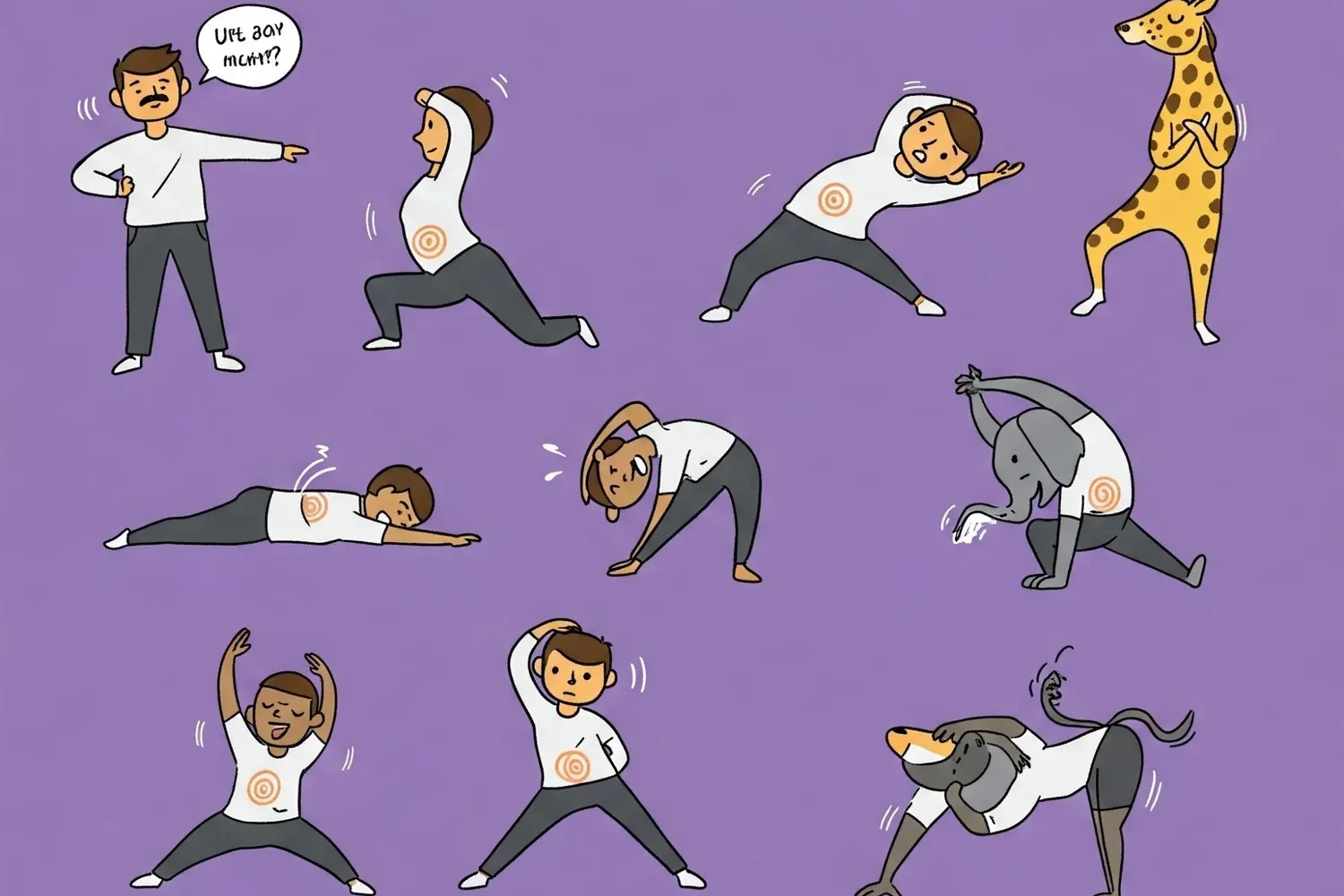
1. Over-Stretching the Hamstrings
Hamstring stretches are commonly performed in the morning to loosen up the legs. However, it’s important to avoid overstretching, as this can lead to muscle strain. Tight hamstrings, especially after a night’s rest, may make you more prone to overstretching, which can place unnecessary strain on the joints.
To stretch your hamstrings safely, keep the knees slightly bent and avoid pushing too far. Aim for a gentle pull in the back of the legs without causing pain. If the stretch feels too intense, reduce the depth or hold the stretch for a shorter period.
2. Deep Squats with Excessive Pressure
Squats are an excellent exercise for strengthening the legs, but deep squats can put pressure on the knees and hips, particularly when done incorrectly. Deep squats should be avoided if you feel strain or discomfort in the knee joints, as they can exacerbate any existing joint issues.
Instead, focus on shallow squats that don’t require your knees to go past your toes. Proper form is key — keep your back straight, core engaged, and move in a controlled manner. If deep squats are uncomfortable, consider performing a less intense version to avoid unnecessary stress on the joints.
3. Hyperextension of the Back
Backbends are great for improving flexibility, but performing them too aggressively can lead to hyperextension, which puts excessive pressure on the spinal discs and joints. This can lead to back pain or injury.
Instead of attempting deep backbends first thing in the morning, begin with gentler movements like cat-cow stretches or seated twists. These exercises will warm up the back and spine more safely. When attempting a backbend, don’t push beyond your comfort level, and ensure the movement remains controlled.
4. Vigorous Neck Rotations
The neck is a delicate area, and forceful neck rotations can lead to strain or even a pinched nerve. Many people perform neck stretches in the morning to release tension, but rotating the neck too intensely can cause discomfort and potential injury.
To avoid this, keep neck stretches slow and controlled. Move your head gently forward, backward, and side to side. Avoid twisting the neck quickly or with excessive force. If you feel any discomfort during a stretch, ease off and try a gentler motion.
5. Twisting Movements Without Support
Twisting stretches can be effective for improving spinal mobility, but when done incorrectly, they can place stress on the lower back and spine. Twisting too forcefully, especially without proper core engagement, can lead to strain and discomfort.
When performing twisting stretches, engage your core and maintain proper posture. Move slowly and avoid forcing the twist beyond a comfortable range. Gentle, controlled twists will improve spinal rotation without putting undue stress on the joints.
6. Full-Length Lunges with Overextension
Lunges are a great way to strengthen the legs, but if performed with an overly long stride or improper form, they can strain the knees and hips. Overextending the lunge can cause the knee to extend past the toes, which places pressure on the knee joint.
To prevent strain, perform shallow lunges with a proper alignment. Keep your knee above your ankle, and avoid letting it move too far forward. A smaller lunge with proper form will prevent unnecessary joint stress and improve leg strength safely.
7. Intense Stretching Without Warming Up
It’s important to warm up your body before attempting any intense stretching. Stretching cold muscles can increase the risk of muscle strain or joint injury. A gentle warm-up, such as light walking or moving the body through some basic stretches, will help to prepare the muscles and joints for deeper stretches.
If you skip the warm-up, your muscles and joints are less pliable, increasing the likelihood of injury. Start slow and gradually increase the intensity of your stretches to give your body time to adjust.
8. Straight-Leg Forward Bends
Forward bends are commonly used to stretch the lower back and hamstrings. However, attempting to touch your toes with straight legs can place undue stress on the lower back and knee joints. This can lead to muscle strain or joint discomfort, especially if your muscles are tight.
To perform a safer forward bend, keep your knees slightly bent. This will reduce the pressure on the lower back and knees while still targeting the hamstrings and back. A more relaxed approach will help avoid strain while still providing a beneficial stretch.
Conclusion
Starting your day with gentle stretching can improve flexibility and promote joint health, but it’s essential to avoid stretches that could place unnecessary stress on your joints. Over-stretching, hyperextension, and forceful movements can lead to injury and discomfort. Focus on controlled, gentle stretches that respect your body’s natural range of motion. By listening to your body and practicing safe stretching, you can enhance your flexibility while protecting your joints from unnecessary strain.