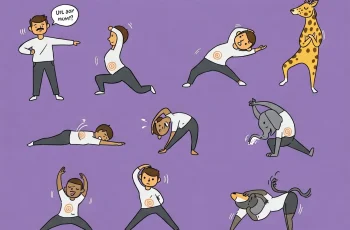
Incorporating a daily stretching routine into your schedule can significantly enhance flexibility, improve joint health, and reduce stiffness. Stretching not only increases mobility but also helps prevent injuries and discomfort throughout the day. This simple yet effective stretching routine includes morning, noon, and evening sessions designed to keep your body flexible and promote overall well-being.

Why Consistent Stretching Matters
Regular stretching maintains and enhances flexibility, mobility, and blood flow, which helps prevent stiffness and discomfort. It supports proper posture, balance, and body alignment while reducing the risk of injury. A well-rounded stretching routine, practiced consistently, can have long-lasting benefits for your body.
Sample Daily Stretching Schedule
Morning Routine (15-20 minutes)
1. Gentle Wake-up Stretches (5 minutes)
Begin your day with light stretches to gently wake up your muscles. These include:
- Ankle circles
- Knee bends
- Hip rotations
- Shoulder rolls
- Neck stretches
Safety Tips:
- Start slowly and gradually increase intensity.
- Avoid rushing; listen to your body and stop if you feel discomfort.
- You can stay in bed and do these stretches if necessary.
2. Morning Mobility (10 minutes)
Transition into standing stretches for a full-body wake-up:
- Arm circles
- Hip circles
- Ankle pumps
- Shoulder rolls
- Neck rotations
Safety Tips:
- Move gently and focus on form.
- Use support if necessary to maintain balance.
3. Cool-down (5 minutes)
Conclude your morning routine with deep breathing and gentle relaxation stretches. This helps to settle your body after the stretches.
Safety Tips:
- Keep your movements slow and calming.
- End with positive visualization for a relaxed start to the day.
Noon Routine (10-15 minutes)
1. Mid-day Warm-up (5 minutes)
Take a break from your daily tasks with a quick warm-up:
- Neck rolls
- Shoulder shrugs
- Wrist circles
- Ankle pumps
- Hip rotations
Safety Tips:
- Find a quiet space to focus on your stretches.
- Use a chair if you need support.
2. Energy Boost (5 minutes)
Incorporate standing stretches to boost energy:
- Side bends
- Forward folds
- Back stretches
- Hip stretches
- Leg swings
Safety Tips:
- Keep your balance steady and avoid overstretching.
- Adjust the intensity to your comfort level.
3. Quick Cool-down (5 minutes)
Wrap up the session with deep breathing and gentle stretching to help calm your body.
Safety Tips:
- Stay relaxed and take your time.
- End the session slowly and gently.
Evening Routine (15-20 minutes)
1. Evening Warm-up (5 minutes)
Start unwinding with gentle stretches:
- Neck rolls
- Shoulder rolls
- Arm circles
- Hip circles
- Ankle pumps
Safety Tips:
- Use support if needed for comfort.
- Move gently to relax your muscles.
2. Relaxation Stretches (10 minutes)
Spend more time stretching in the evening to release tension:
- Forward folds
- Side stretches
- Back stretches
- Hip stretches
- Leg stretches
Safety Tips:
- Perform each stretch slowly and stay within your comfort zone.
- Focus on deep breathing to enhance relaxation.
3. Bedtime Cool-down (5 minutes)
Finish your day with deep breathing and gentle relaxation stretches, preparing your body for rest.
Safety Tips:
- Keep movements soothing and slow.
- Focus on relaxation to help you sleep better.
Adapting Your Schedule
During Discomfort or Fatigue:
If you experience increased pain or discomfort during certain times, reduce the intensity of your stretches. Focus on gentler movements and increase rest periods. You may also try breathing exercises or water-based exercises to minimize strain.
Progress Tracking
Keep track of your progress by monitoring:
- Pain levels
- Stiffness
- Mobility
- Energy levels
- Overall well-being
Using a journal to log your sessions can help you observe improvements over time. You may also use apps to track your daily stretching habits and take photos to document your progress.
Frequently Asked Questions
How long should each session be?
- Morning: 15-20 minutes
- Noon: 10-15 minutes
- Evening: 15-20 minutes
Adjust based on your comfort and available time.
What if I miss a session?
Don’t worry if you occasionally miss a session. Focus on maintaining consistency over time instead of striving for perfection.
How do I know if I’m doing too much?
If you experience increased pain, swelling, or fatigue, it’s a sign you may need to reduce the intensity or duration of your stretches. Listen to your body and adjust accordingly.
Can I modify the schedule as I improve?
Yes, you can modify the schedule as your flexibility and strength improve. Make adjustments based on your progress and changing needs.
Conclusion
A daily stretching routine can significantly enhance flexibility, reduce stiffness, and maintain mobility throughout the day. By following a structured schedule that includes morning, noon, and evening sessions, you can support your joint health and overall well-being. Remember to be patient, stay consistent, and always listen to your body to ensure safe and effective stretching.