Eating heart-healthy meals doesn’t have to be expensive. You can enjoy a nutritious vegetarian diet without breaking the bank by focusing on budget-friendly ingredients and meal planning. This guide provides practical tips and affordable meal ideas to help you stay on track with a healthy eating plan while keeping costs low.
Key Takeaways:
- Learn to create heart-healthy vegetarian meals affordably.
- Discover budget-friendly pantry staples and smart shopping tips.
- Enjoy meal ideas costing under \$5 per serving.
Why a Vegetarian Diet Can Be Budget-Friendly
A vegetarian diet focuses on plant-based proteins, whole grains, and plenty of fruits and vegetables. By skipping meat and processed foods, you can significantly reduce your grocery bill while still eating healthily. The key to making this work on a budget is choosing versatile, cost-effective ingredients that can be used in a variety of meals.
Budget-Friendly Pantry Staples for Vegetarian Meals
Stocking up on a few key staples can make a big difference in both cost and convenience. These ingredients are affordable, nutritious, and can be used in many different meals:
- Beans and Lentils: These plant-based proteins are perfect for soups, salads, and stews. Buy canned or dried to save money.
- Whole Grains: Brown rice, quinoa, oats, and whole wheat pasta provide fiber and nutrients at a low cost.
- Frozen Vegetables: Frozen veggies are often cheaper than fresh and just as nutritious, making them an excellent choice for quick meals.
- Canned Tomatoes: Great for making sauces, soups, and stews, canned tomatoes are versatile and inexpensive.
- Tofu and Tempeh: These affordable protein sources can be used in a variety of savory dishes, from stir-fries to curries.
Sample Meal Ideas on a Budget
Here are some easy, affordable meal ideas to help you stay on track with your vegetarian diet.
Breakfast Ideas
- Oatmeal with Bananas and Walnuts: A nutritious, fiber-rich breakfast that’s filling and low-cost.
- Whole-Grain Toast with Avocado and Tomato: A simple and healthy breakfast with healthy fats and fiber.
- Spinach and Banana Smoothie with Soy Milk: A nutrient-packed smoothie that’s quick and easy to make.
Lunch Ideas
- Lentil Soup with Whole-Grain Bread: A filling and hearty lunch that’s full of protein and fiber.
- Chickpea Salad Wraps: A crunchy and satisfying meal that’s high in protein and easy to prepare.
- Vegetable Stir-Fry with Brown Rice: Fast and customizable, this dish is a great way to use up leftover vegetables.
Dinner Ideas
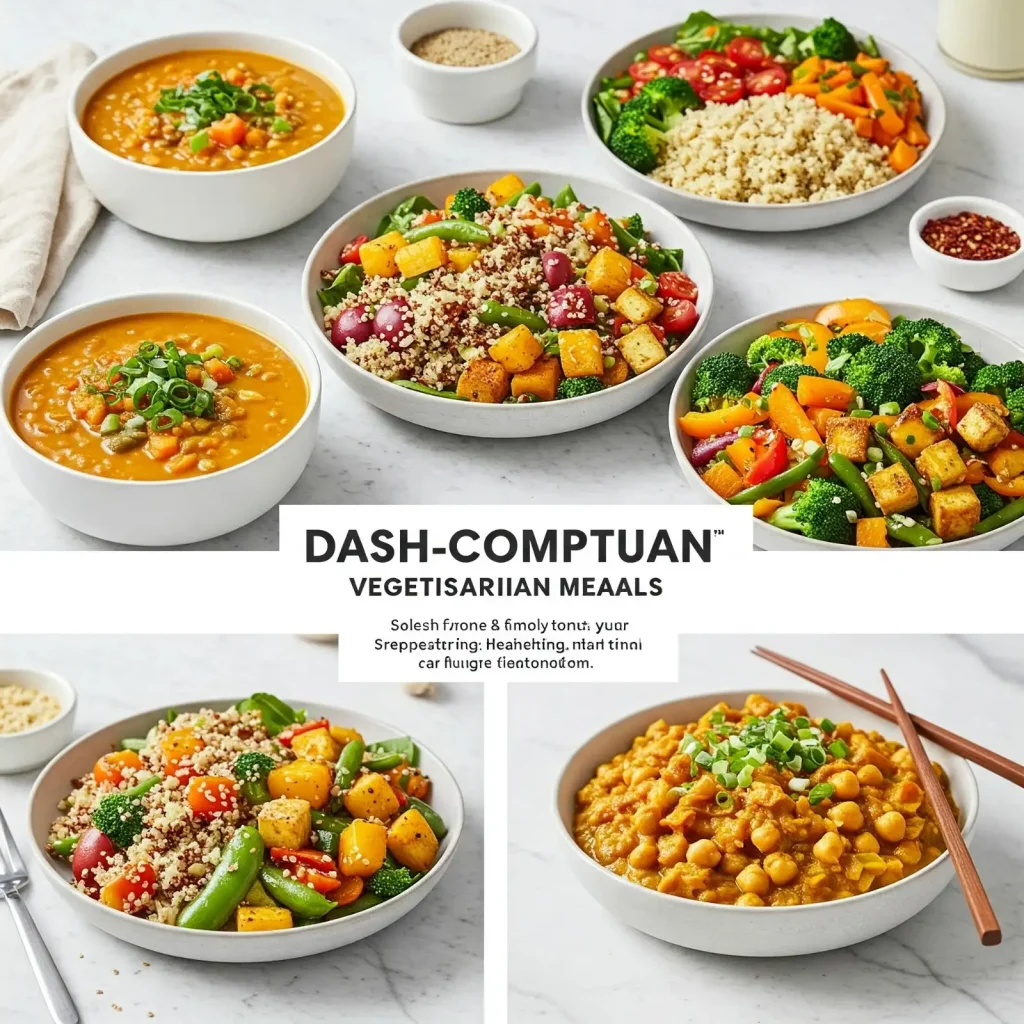
- Tofu and Veggie Curry with Quinoa: A warm, flavorful dinner that’s both filling and nutritious.
- Stuffed Bell Peppers with Brown Rice and Beans: A hearty dinner option that’s easy to prepare and full of flavor.
- Zucchini and Black Bean Tacos with Fresh Salsa: A light, fresh dinner that’s quick and affordable.
Tips to Save Money on Vegetarian Meals
Here are some tips to help you save even more money while eating vegetarian meals:
- Plan Your Meals: Planning your meals for the week helps reduce food waste and ensures you stick to your grocery list.
- Buy in Bulk: Grains, beans, and spices are cheaper when bought in bulk, making them a smart long-term investment.
- Use Seasonal Produce: Seasonal fruits and vegetables are typically more affordable and fresher than out-of-season ones.
- Cook at Home: Preparing meals from scratch not only saves money but also allows you to control portion sizes and minimize waste.
Frequently Asked Questions
Can I follow a vegetarian diet on a budget?
Yes! By focusing on affordable plant-based proteins like beans and lentils, and buying in bulk, you can easily stay within your budget while eating a vegetarian diet.
What are some inexpensive protein sources for vegetarians?
Beans, lentils, tofu, tempeh, and peanut butter are all affordable, nutrient-rich sources of protein.
Can I get enough nutrients from a vegetarian diet?
Absolutely! A well-planned vegetarian diet can provide all the nutrients you need, from protein to vitamins and minerals.
How can I reduce sodium intake on a vegetarian diet?
Choose low-sodium canned goods, cook from scratch whenever possible, and limit processed vegetarian products that may contain added salt.
Conclusion
Eating a heart-healthy, vegetarian diet doesn’t have to be expensive. By focusing on affordable ingredients like beans, lentils, whole grains, and frozen vegetables, you can enjoy nutritious meals without exceeding your budget. With careful planning and smart shopping, a vegetarian meal plan can be both budget-friendly and fulfilling. Start today by stocking your pantry with these affordable staples and enjoy simple, delicious meals every day.