Maintaining a heart-friendly diet doesn’t have to be expensive, and snacking can be both nutritious and budget-conscious. With rising grocery costs, choosing the right ingredients and preparing snacks at home can save money while keeping your diet balanced and satisfying. This guide offers practical strategies and ideas for affordable, healthy snacks that cost under \$1.50 per serving.
Why Budget-Friendly Snacks Matter
Snacking supports energy levels and helps maintain blood sugar, but packaged options are often costly and high in sodium. Studies show that preparing your own snacks can cost as little as \$0.80 per serving while meeting nutritional goals. By focusing on whole foods, seasonal produce, and versatile ingredients, you can enjoy snacks that are both affordable and heart-friendly.
Core Snack Ingredients
A nutritious snack combines fruits, vegetables, whole grains, and protein sources. Affordable options include:
- Fruits: Fresh, frozen, or canned without added sugar. Apples, bananas, berries, and grapes are versatile and inexpensive.
- Vegetables: Raw or lightly seasoned options like carrot sticks, celery, or cucumber slices.
- Whole Grains: Popcorn, whole-grain crackers, or oats provide fiber and satiety.
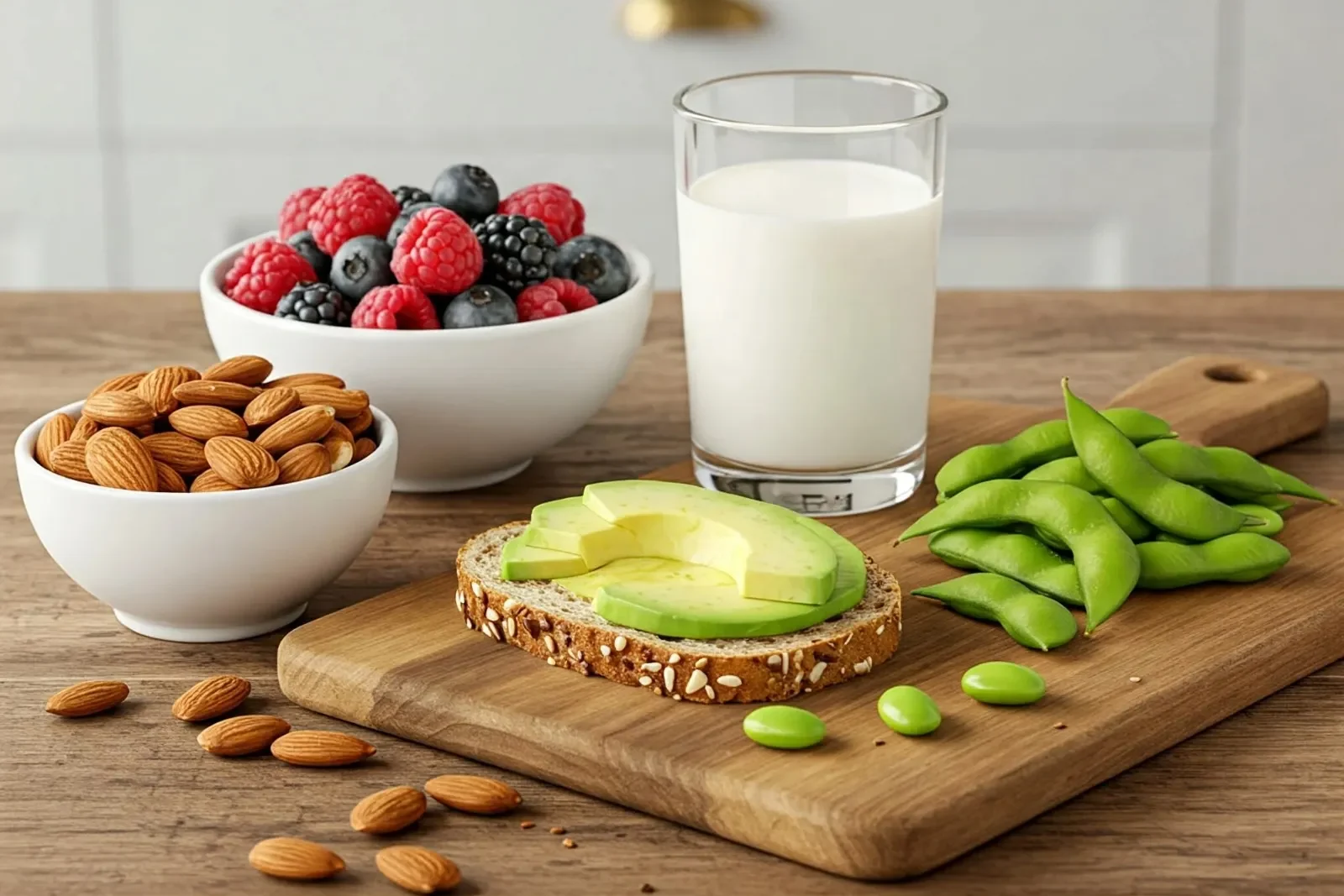
- Proteins: Nuts, seeds, low-fat dairy, or legumes supply protein and healthy fats.
By keeping these staples on hand, you can create a variety of quick snacks without extra expense.
Shopping Smart for Snacks
Grocery strategies help maximize value while keeping snacks nutritious:
- Buy Seasonal and Frozen Produce: Seasonal fruits like apples in fall or berries in summer cost less. Frozen fruits and vegetables retain nutrients, can be stored longer, and reduce waste.
- Purchase Bulk Nuts and Grains: Buying unsalted nuts, seeds, or popcorn kernels in bulk can save 10–15%. Store brands often cost 10–20% less than national brands.
- Choose Versatile Ingredients: Low-fat yogurt, canned chickpeas, and frozen berries can be used in multiple recipes, from parfaits to dips.
- Plan Your Shopping List: Create a snack-focused grocery list to avoid impulse purchases and stick to your budget.
Affordable Snack Ideas
The following snacks are nutritious, easy to prepare, and cost less than \$1.50 per serving:
- Apple Slices with Peanut Butter – Spread unsalted peanut butter on apple slices (\$0.90). Rich in fiber and healthy fats.
- Greek Yogurt with Berries – Mix low-fat Greek yogurt with frozen berries (\$1.00). Provides calcium and antioxidants.
- Roasted Chickpeas – Roast canned chickpeas with paprika after rinsing (\$0.80). High in protein, low in sodium.
- Veggie Sticks with Hummus – Dip carrot and celery sticks in homemade hummus (\$1.10). Packed with nutrients.
- Air-Popped Popcorn – Season with herbs for a low-calorie whole-grain snack (\$0.60).
- Banana and Almond Roll-Up – Spread almond butter on a banana and roll in crushed almonds (\$1.20). Potassium-rich.
- Cottage Cheese with Peach – Top low-fat cottage cheese with no-sugar-added peaches (\$1.15). High-protein option.
- Cucumber with Yogurt Dip – Combine low-fat yogurt with dill and serve with cucumber slices (\$0.95). Low sodium.
- Homemade Trail Mix – Mix unsalted almonds, dried apricots, and whole-grain cereal (\$1.30). Balanced nutrients and fiber.
- Frozen Grape Skewers – Freeze grapes and serve on skewers (\$0.75). Naturally sweet and low sodium.
- Whole-Grain Cracker Bites – Top crackers with low-fat cream cheese and tomato (\$1.25). Provides fiber and protein.
- Edamame Snack – Steam frozen edamame and sprinkle with pepper (\$1.00). Plant-based protein source.
Batch Prep for Savings
Preparing snacks in bulk saves both time and money:
- Roast chickpeas or pop large batches of popcorn and portion them into bags.
- Make hummus or yogurt-based dips for the week and refrigerate.
- Mix trail mix in bulk and divide into containers.
Batch prep also reduces food waste, which accounts for nearly 27% of household food budgets.
Practical Tips for Keeping Costs Low
- Compare Prices: Check unit prices for grains, canned goods, and nuts to ensure the best value.
- Shop Discount Stores: Chains like Aldi or Walmart often offer staples at 15–20% lower prices than traditional supermarkets.
- Avoid Pre-Packaged Snacks: Whole produce and homemade alternatives are cheaper and healthier.
Real-World Example
A college student reduced daily snack costs from \$2 to \$1 by prepping roasted chickpeas and buying frozen fruit in bulk. Simple strategies like making snacks at home instead of buying packaged options can cut costs and improve nutrition.
Frequently Asked Questions
How do I make snacks affordable? Focus on fruits, vegetables, nuts, and low-fat dairy. Plan with a shopping list to maximize savings.
What are the cheapest snack ingredients? Frozen berries, chickpeas, popcorn, oats, and yogurt are versatile and economical.
Can snacks be prepped in advance? Yes, most can be stored in the fridge for 3–5 days, and fruit can be frozen for longer storage.
Are these snacks suitable for kids? Absolutely. Options like fruit skewers, yogurt parfaits, and air-popped popcorn are kid-friendly and nutritious.
Conclusion
Healthy snacking on a budget is achievable with planning, smart shopping, and simple preparation. By choosing affordable ingredients, buying in bulk, and prepping snacks in advance, you can enjoy satisfying, heart-friendly snacks while saving money. Start incorporating these ideas into your weekly routine and enjoy nutritious snacks that support a balanced, cost-conscious lifestyle.