Eating a heart-healthy diet doesn’t have to be expensive. With proper planning, beginners can enjoy nutritious, cost-effective meals without overspending. This guide provides practical strategies for affordable meal planning, including simple recipes, smart shopping tips, and ways to reduce food waste while maintaining a balanced diet.
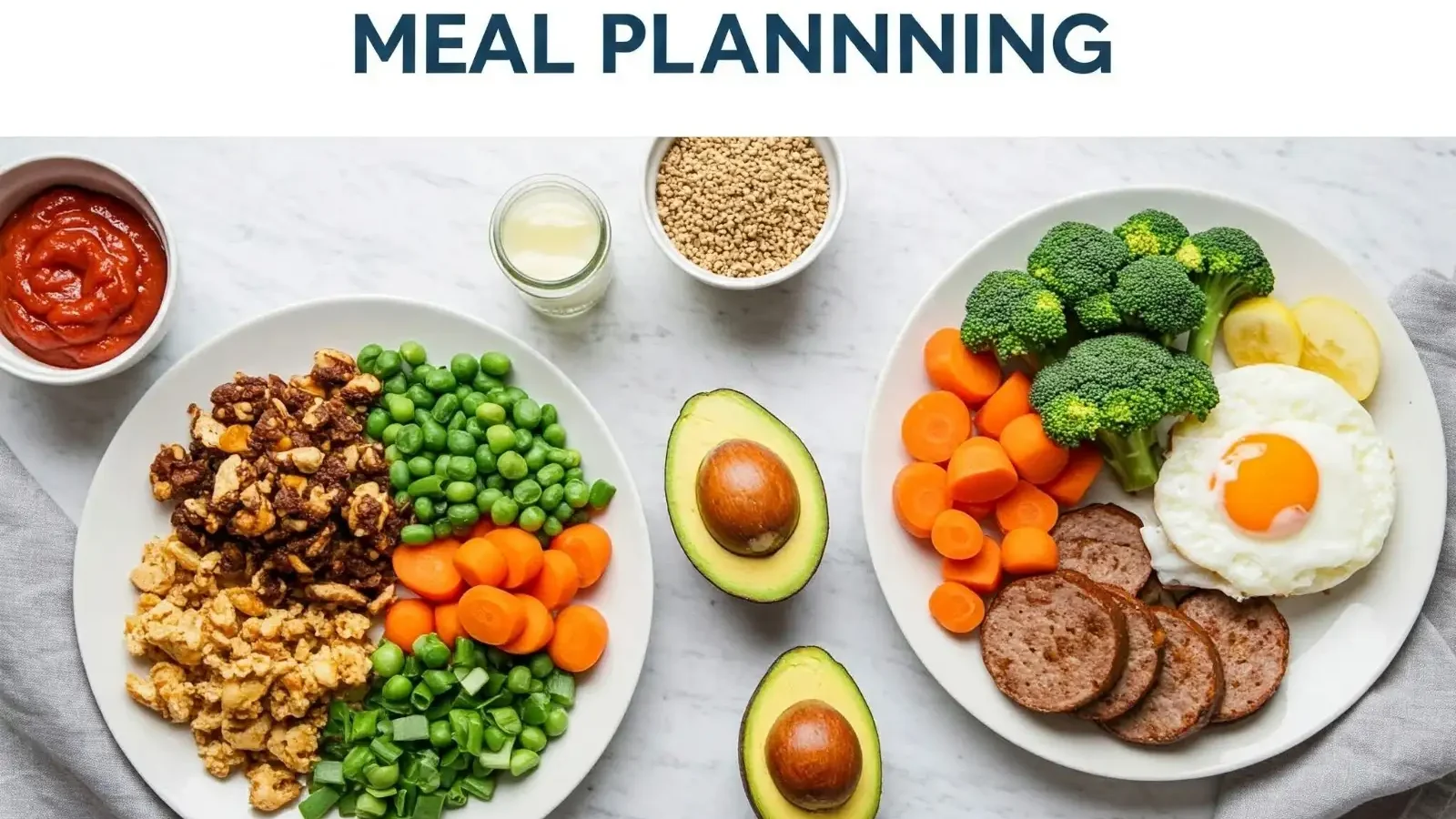
Why Meal Planning Matters
Planning meals in advance helps control costs, saves time, and ensures adherence to a heart-healthy eating plan. According to research, planned meals can reduce grocery expenses by up to 20% by minimizing impulsive purchases and food waste. For beginners, meal planning simplifies the process of following a nutritious diet while staying within budget.
Key Benefits of Budget-Friendly Meal Planning
- Cost Savings: Buying only what you need reduces overall grocery expenses.
- Time Efficiency: Preparing meals in batches for the week saves cooking time.
- Diet Adherence: Planned meals are more likely to align with healthy eating goals.
- Waste Reduction: Proper planning decreases unused food, helping you get the most from your budget.
Getting Started: Core Principles
To begin, familiarize yourself with basic components of a heart-healthy meal plan:
- Fruits and Vegetables: Aim for at least 4-5 servings daily using fresh, frozen, or low-sodium canned options.
- Whole Grains: Include 6-8 servings such as brown rice, oats, or quinoa.
- Proteins: Use 2-3 servings daily from sources like beans, lentils, eggs, or lean meats.
- Dairy: Incorporate 2-3 servings of low-fat milk or yogurt for calcium and protein.
Setting a Weekly Budget
A realistic weekly grocery budget for one person can range from \$50 to \$60, depending on local prices. Focus on affordable staples to maximize both nutrition and cost-effectiveness.
Meal Planning Strategies for Beginners
Choose Affordable Ingredients
Select low-cost, nutrient-rich foods:
- Grains: Bulk oats, brown rice, quinoa.
- Proteins: Beans, lentils, and eggs are versatile and inexpensive.
- Vegetables: Frozen spinach, carrots, or seasonal options.
- Fruits: Frozen berries or bananas offer nutrients without high cost.
Batch Cook and Freeze
Prepare large portions of meals like vegetable stew, lentil soup, or quinoa salads, then freeze leftovers. Batch cooking saves time, prevents food waste, and ensures you always have ready-to-eat meals.
Repurpose Leftovers
Transform leftover roasted vegetables into wraps or soups. Using leftovers creatively keeps meals varied and stretches your grocery budget further.
Shop Smart
Use a shopping list to prioritize seasonal produce, bulk items, and store brands. Store-brand staples often cost 15-25% less than name brands, helping maintain budget goals.
Sample Weekly Meal Plan on a Budget
This plan demonstrates a week of meals under \$60 for one person, using affordable ingredients:
Monday
- Breakfast: Oatmeal with frozen berries (\$0.85)
- Lunch: Chickpea salad wrap (\$1.70)
- Dinner: Lentil and vegetable stew (\$1.80)
- Snack: Apple slices with peanut butter (\$0.90)
Tuesday
- Breakfast: Greek yogurt with banana (\$1.10)
- Lunch: Quinoa veggie bowl (\$1.90)
- Dinner: Black bean tacos (\$1.90)
- Snack: Air-popped popcorn (\$0.60)
Wednesday
- Breakfast: Banana oat pancakes (\$1.00)
- Lunch: Black bean and corn salad (\$1.60)
- Dinner: Chicken and broccoli bake (\$2.50)
- Snack: Roasted chickpeas (\$0.80)
Thursday through Sunday, repeat or mix meals, incorporating leftovers to reduce prep time. This approach maintains variety while keeping costs low.
Real-World Example
For instance, a college student reduced weekly grocery spending from \$80 to \$55 by planning meals around bulk grains and frozen vegetables. Pre-planning meals not only saved money but also reduced stress and streamlined daily cooking.
Frequently Asked Questions
How do beginners start meal planning on a budget?
Start with affordable staples like beans, lentils, grains, and frozen produce. Use a weekly plan to organize meals efficiently.
What are the cheapest ingredients for a heart-healthy diet?
Beans, lentils, oats, eggs, and frozen vegetables are versatile, inexpensive, and nutritious.
How long do prepped meals last?
Refrigerated meals typically last 3-4 days. Frozen portions can be stored for up to 3 months using airtight containers.
Is meal planning beginner-friendly?
Yes. Start with simple recipes like soups, salads, or grain bowls, and gradually expand your meal variety.
Tips for Success
- Stick to your weekly plan to avoid unnecessary spending.
- Focus on batch cooking to save time and reduce waste.
- Shop seasonal produce and store-brand items to maximize savings.
Conclusion
Budget-friendly meal planning makes heart-healthy eating accessible for beginners. By focusing on affordable staples, preparing meals in advance, and repurposing leftovers, you can maintain a nutritious diet without overspending. Start by creating your first weekly plan, explore versatile ingredients, and enjoy the financial and health benefits of well-organized, cost-effective meal planning.