Eating healthy doesn’t have to be expensive. With a little planning, you can improve your diet without breaking the bank. This guide will show you how to build a budget-friendly meal plan that focuses on whole foods, smart grocery shopping, and simple meals that are both nutritious and affordable.
Key Takeaways:
- Discover how to eat healthy without spending too much.
- Learn about budget-friendly pantry staples.
- Explore simple meal ideas that cost less than \$5 per serving.
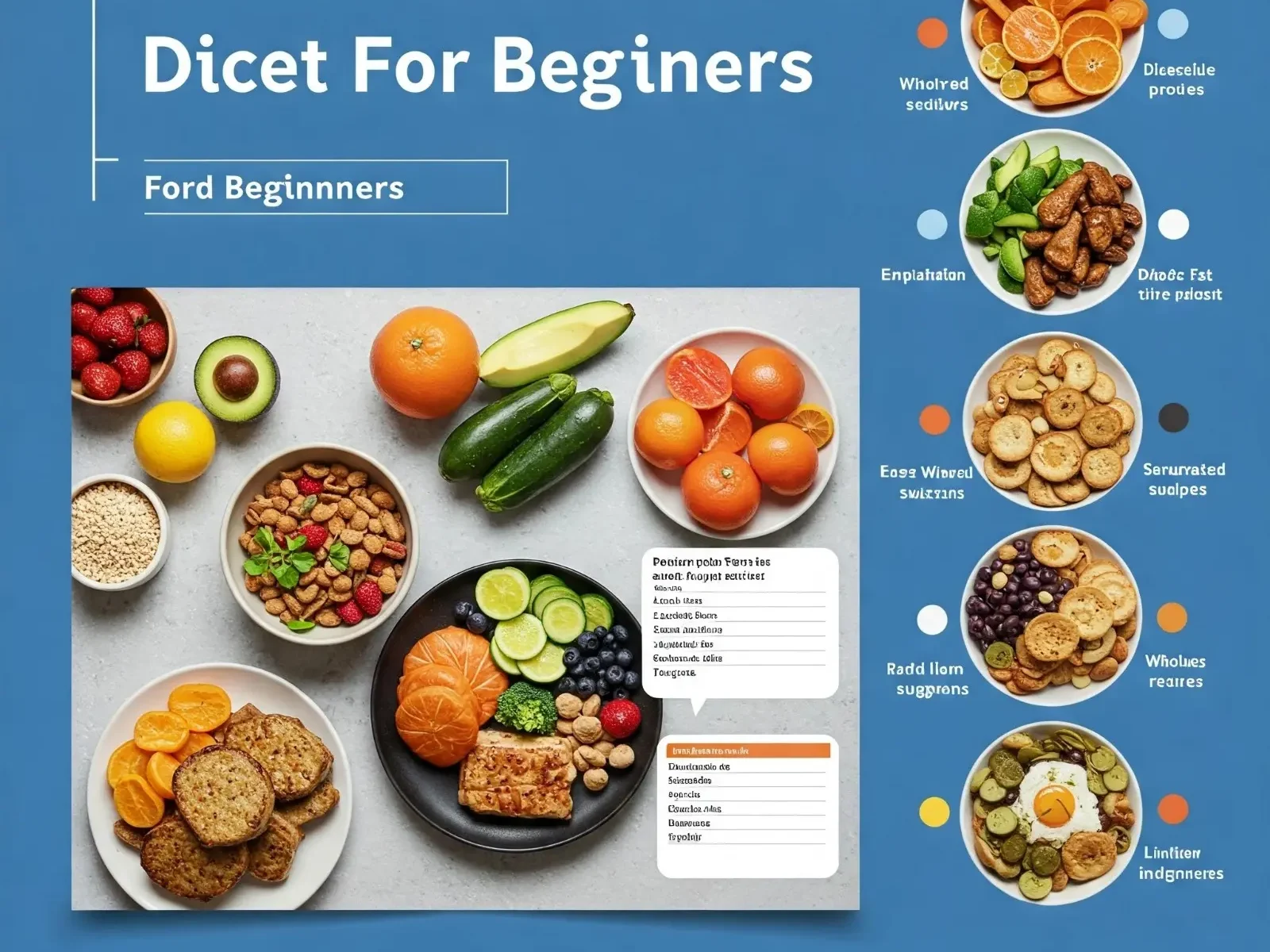
Why Eating Healthy Doesn’t Have to Be Expensive
A healthy diet doesn’t require buying expensive superfoods or specialty ingredients. In fact, focusing on affordable, nutrient-rich foods like whole grains, beans, and seasonal produce can help you eat better while keeping costs low. The key is to prioritize budget-friendly foods that offer the most nutritional value.
Budget-Friendly Staples for a Healthy Diet
Stocking up on affordable, versatile ingredients is the best way to make eating healthy both easy and cheap. Here are some pantry essentials that can be used in multiple meals:
- Whole Grains: Oats, brown rice, quinoa, and whole wheat pasta are nutritious and affordable. These grains are filling, provide fiber, and can be used in breakfasts, salads, and dinner.
- Frozen Vegetables: Frozen vegetables are often cheaper than fresh ones, yet they retain most of their nutrients. They’re perfect for soups, stir-fries, or as simple side dishes.
- Beans and Lentils: These plant-based proteins are rich in fiber and very affordable. You can use them in soups, salads, stews, or as main dishes.
- Canned Tuna or Salmon: These protein sources are budget-friendly and can be used in sandwiches, salads, or simple casseroles.
- Eggs and Low-Fat Dairy: Eggs are a cost-effective source of protein and can be used in many different dishes. Low-fat dairy like yogurt and milk provide calcium and other essential nutrients.
Simple Meal Ideas on a Budget
Eating healthy doesn’t have to mean spending hours cooking or making complicated dishes. Here are some simple, affordable meal ideas to help you stick to your health goals:
Breakfast:
- Oatmeal with Banana and Peanut Butter: A fiber-rich breakfast that’s both filling and affordable. Add your favorite fruits or nuts to mix things up.
- Whole-Grain Toast with Avocado and Tomato: A quick, nutritious breakfast packed with healthy fats and fiber.
- Spinach and Banana Smoothie with Soy Milk: A simple and nutrient-packed smoothie that can be made in minutes.
Lunch:
- Lentil Salad with Cucumber and Tomato: A light, filling lunch that’s high in protein and fiber.
- Hummus and Veggie Whole Wheat Pita: A quick and easy meal that’s both healthy and cost-effective.
- Vegetable Stir-Fry with Brown Rice: A fast and customizable meal, perfect for using up leftover vegetables.
Dinner:
- Grilled Chicken with Steamed Broccoli and Brown Rice: A simple, healthy meal rich in protein and fiber.
- Tacos with Black Beans and Avocado: Quick, filling, and full of healthy fats and plant-based protein.
- Stuffed Bell Peppers with Brown Rice and Beans: A hearty, affordable dinner option that’s easy to prepare.
Tips to Save Money While Eating Healthy
Eating healthy on a budget is all about being strategic with your grocery shopping and meal planning. Here are some practical tips to help you save money:
- Plan Your Meals: Create a meal plan based on what’s on sale or in season. This helps reduce waste and ensures you’re not buying unnecessary items.
- Buy in Bulk: Grains, beans, and canned goods are often cheaper when bought in bulk. This can save you money over time.
- Use Seasonal Produce: Seasonal fruits and vegetables are typically less expensive and fresher than out-of-season options.
- Cook in Bulk: Preparing large batches of meals and freezing leftovers will save both time and money.
- Avoid Processed “Health” Snacks: Pre-packaged snacks often cost more and are less nutritious. Stick to whole foods like fruits, veggies, and whole grains.
Where to Shop Smart
Being strategic about where you shop can also make a big difference:
- Warehouse Stores: Stores like Costco and Sam’s Club offer bulk items at discounted prices.
- Coupons and Apps: Take advantage of coupons or cashback apps like Ibotta to save money on groceries.
- Store Brands: Many store-brand items are just as good as name brands but cost significantly less.
Frequently Asked Questions
Can I eat healthy on a budget?
Yes! With smart meal planning, focusing on affordable staples like beans, grains, and frozen veggies, eating healthy is achievable on a budget.
What are some affordable protein sources?
Beans, lentils, eggs, canned fish, and low-fat dairy are all excellent, budget-friendly protein sources.
How can I save money on groceries?
Buy in bulk, plan meals ahead of time, and shop for seasonal produce to maximize your grocery budget.
How fast will I see results?
With consistent healthy eating, you may start feeling more energized and see physical changes within a few weeks.
Conclusion: Start Small, Think Long-Term
Eating healthier doesn’t require spending a fortune. Start by incorporating simple, affordable ingredients into your meals and gradually build healthier habits. By planning ahead, shopping smart, and cooking at home, you can eat nutritious meals without overspending. It’s all about making small changes that can lead to long-term health benefits.