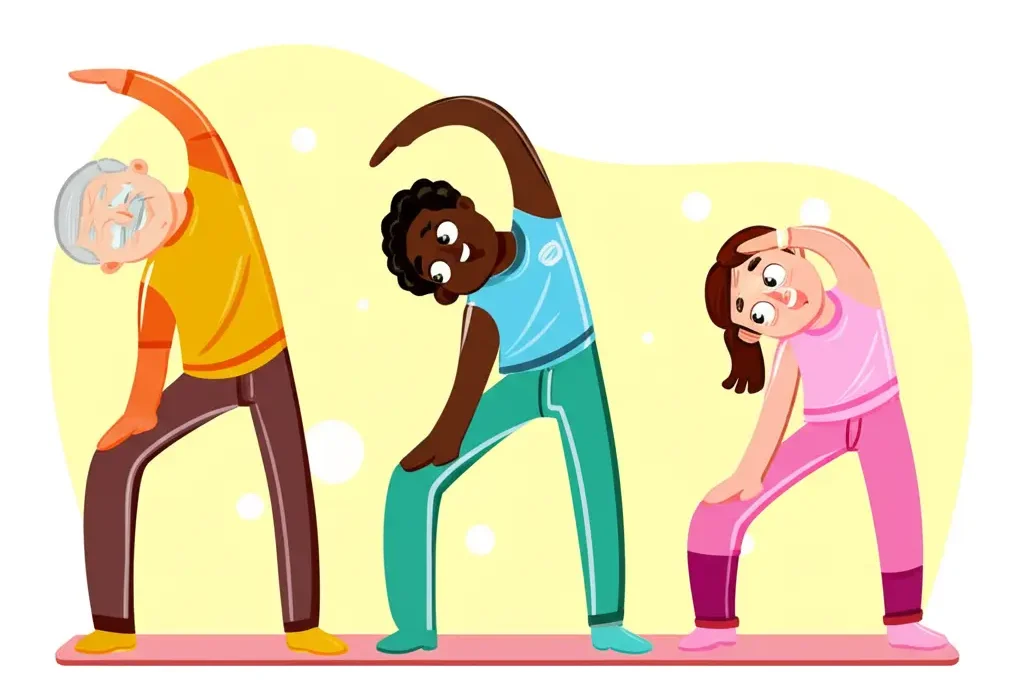
Incorporating morning stretches into your routine is a great way to enhance flexibility, reduce stiffness, and start your day feeling more mobile. However, it’s important to practice safe stretching techniques to avoid injury. By following the right guidelines, you can stretch effectively and protect your joints.
Why Safe Stretching Matters
Stretching helps increase flexibility and improve circulation, but improper techniques can lead to muscle strain or injury. Understanding the dos and don’ts of stretching ensures you can enjoy the benefits while minimizing risks. This guide covers essential tips for safe and effective stretching.
Essential Dos and Don’ts for Morning Stretches
1. Warm-up Properly
Do:
- Start Slowly: Begin with light joint movements, like small circles or gentle leg lifts, to get your body moving.
- Use Heat: Applying heat before stretching, such as a warm shower, can relax muscles and reduce stiffness.
- Breathe Deeply: Breathing deeply helps you stay relaxed and prepares your body for stretching.
- Gradual Progression: Start with simple stretches and gradually increase intensity as your body warms up.
Don’t:
- Skip Warm-up: Stretching cold muscles can cause injury. Always warm up first.
- Rush: Don’t force your body into deep stretches too quickly.
- Ignore Pain: If you experience pain during any stretch, stop immediately.
2. Use the Right Technique
Do:
- Move Slowly and Controlled: Perform each stretch with slow, steady movements to avoid jerking or bouncing.
- Stay Within Comfort Range: Stretch to a point where you feel mild tension but no pain.
- Focus on Form: Maintain proper posture. Keep your back straight, avoid locking your joints, and align your body correctly.
- Breathe Steadily: Avoid holding your breath while stretching. Continue deep, relaxed breathing.
Don’t:
- Bounce: Bouncing during stretches can overstretch muscles and lead to injury.
- Force Movements: Don’t stretch too far, and always stay within your comfort zone.
- Overstretch: Stretching too intensely can lead to muscle strain or joint injury.
3. Timing and Frequency of Stretching
Do:
- Stretch After a Warm Shower: A warm shower can relax muscles, making stretching more effective.
- Wait for Stiffness to Ease: Stretching works best once your body has had time to loosen up, so wait for stiffness to decrease before starting.
- Be Consistent: Stretching daily, even for a few minutes, can significantly improve flexibility over time.
Don’t:
- Stretch During Severe Stiffness: Avoid stretching if your joints or muscles are extremely stiff or painful.
- Overstretch: Gradually increase the length and intensity of your stretches rather than pushing yourself too hard.
- Ignore Rest: Give your muscles time to recover between stretching sessions to avoid strain.
Monitoring Your Progress
Tracking your progress helps you stay on track and allows you to make adjustments as needed. Pay attention to improvements in flexibility, pain reduction, and overall comfort.
1. What to Track:
- Pain Levels: Monitor how your body feels before, during, and after each stretch. This will help you gauge which stretches are beneficial.
- Flexibility: Track improvements in range of motion, especially in areas like your back, legs, and shoulders.
- Energy Levels: Notice how stretching affects your energy throughout the day.
2. How to Track:
- Keep a Journal: Write down your stretching routine, noting any pain or discomfort.
- Use Apps: Many fitness apps allow you to track your stretches, set reminders, and monitor progress.
- Take Photos or Videos: Document your progress visually to assess improvements over time.
Adapting Your Routine
As you continue stretching, you may need to modify your routine to maintain effectiveness and prevent overexertion.
Key Adjustments:
- Reduce Intensity: If you feel too much strain, scale back and focus on gentler stretches.
- Shorten Duration: If you’re pressed for time, limit each stretch to a few seconds but still perform it slowly and deliberately.
- Increase Rest Periods: Allow more rest between stretches to avoid overworking your muscles.
Frequently Asked Questions
- How long will it take to see results?
Most people notice improvements within 2 to 4 weeks, but it varies based on individual factors like flexibility and consistency. - What if I feel pain during a stretch?
Stop immediately and rest. If the pain persists, apply ice and consult a healthcare provider. - Can I modify stretches for my needs?
Yes, you can adjust the duration, intensity, and frequency of each stretch based on how you feel. - How often should I stretch?
Daily stretching is ideal, but listen to your body. If you feel sore or fatigued, take a break or reduce intensity.
Conclusion
Incorporating gentle morning stretches into your daily routine can improve flexibility, reduce stiffness, and increase mobility. By following these dos and don’ts, you can stretch safely and effectively. Remember to take it slow, listen to your body, and adjust your routine as needed. With patience and consistency, you’ll enjoy the benefits of increased flexibility and reduced discomfort.