Creating nutritious, budget-friendly meals that satisfy the entire family while promoting heart health can feel overwhelming for busy parents. However, developing affordable eating habits that emphasize whole foods, lean proteins, and fresh produce doesn’t require sacrificing taste or breaking your grocery budget. This guide provides practical strategies and delicious recipe ideas to transform family mealtime into an enjoyable, healthy experience.
Why Heart-Healthy Eating Benefits the Entire Family
Heart-healthy eating principles create lasting benefits for all family members. These guidelines emphasize nutrient-dense foods including fruits, vegetables, whole grains, lean proteins, and low-fat dairy products that provide essential nutrition for growing children and adults.
Establishing healthy patterns early prevents obesity, diabetes, and cardiovascular problems later in life. When families eat this way together, meal preparation becomes simpler while creating supportive environments for wellness habits.
Whole, unprocessed ingredients typically cost less than convenience foods or processed meals. Staples like beans, lentils, seasonal produce, and whole grains provide excellent nutrition while remaining affordable.
Engaging Children in Heart-Healthy Meal Planning
Successfully introducing children to nutritious foods requires patience, creativity, and involvement. Children who participate in menu planning and food preparation often show greater willingness to try new ingredients.
Allow children to suggest weekly meals with guidance toward healthier options. Assign age-appropriate kitchen tasks like washing produce or measuring ingredients. Transform grocery shopping into educational adventures by having children locate healthy ingredients.
Visual appeal significantly influences children’s food acceptance. Create colorful plates with various fruits and vegetables, use fun-shaped presentations, and give foods appealing names like “rainbow salads” or “superhero smoothies.”
Deconstructed meal approaches work well for families with varying preferences. Create build-your-own stations with taco bars or salad bars featuring heart-healthy toppings. This accommodates different tastes while using affordable core ingredients.
Smart Shopping and Preparation Strategies
Successful budget-friendly meal planning includes strategic ingredient selection and preparation methods. Purchase versatile ingredients that work across multiple recipes to maximize value and minimize waste.
Batch cooking saves both time and money by preparing larger quantities that provide multiple meals. Cook extra portions of grains, proteins, and vegetables that can be repurposed throughout the week.
Frozen vegetables and fruits offer consistent pricing year-round while maintaining nutritional value. These ingredients eliminate prep time and reduce food waste. Seasonal fresh produce typically costs less while providing peak flavor and nutrition.
Delicious Family-Friendly Recipe Ideas
Heart-healthy breakfasts can be satisfying and economical with minimal preparation. Create nutrient-packed smoothies using frozen fruits, leafy greens, and plain yogurt. Children enjoy customizing smoothie ingredients while receiving essential vitamins.
Oatmeal bars allow family members to personalize morning meals with toppings like sliced bananas, berries, nuts, and cinnamon. This provides whole grain nutrition while accommodating individual preferences.
Lunch options center around whole grain bases with lean proteins and vegetables. Mini pizzas made with whole wheat English muffins, low-sodium tomato sauce, vegetables, and modest cheese satisfy children’s preferences while providing balanced nutrition.
Chicken or chickpea salad wraps offer protein-rich alternatives using Greek yogurt instead of mayonnaise. Adding fruits like grapes provides natural sweetness while increasing nutritional content.
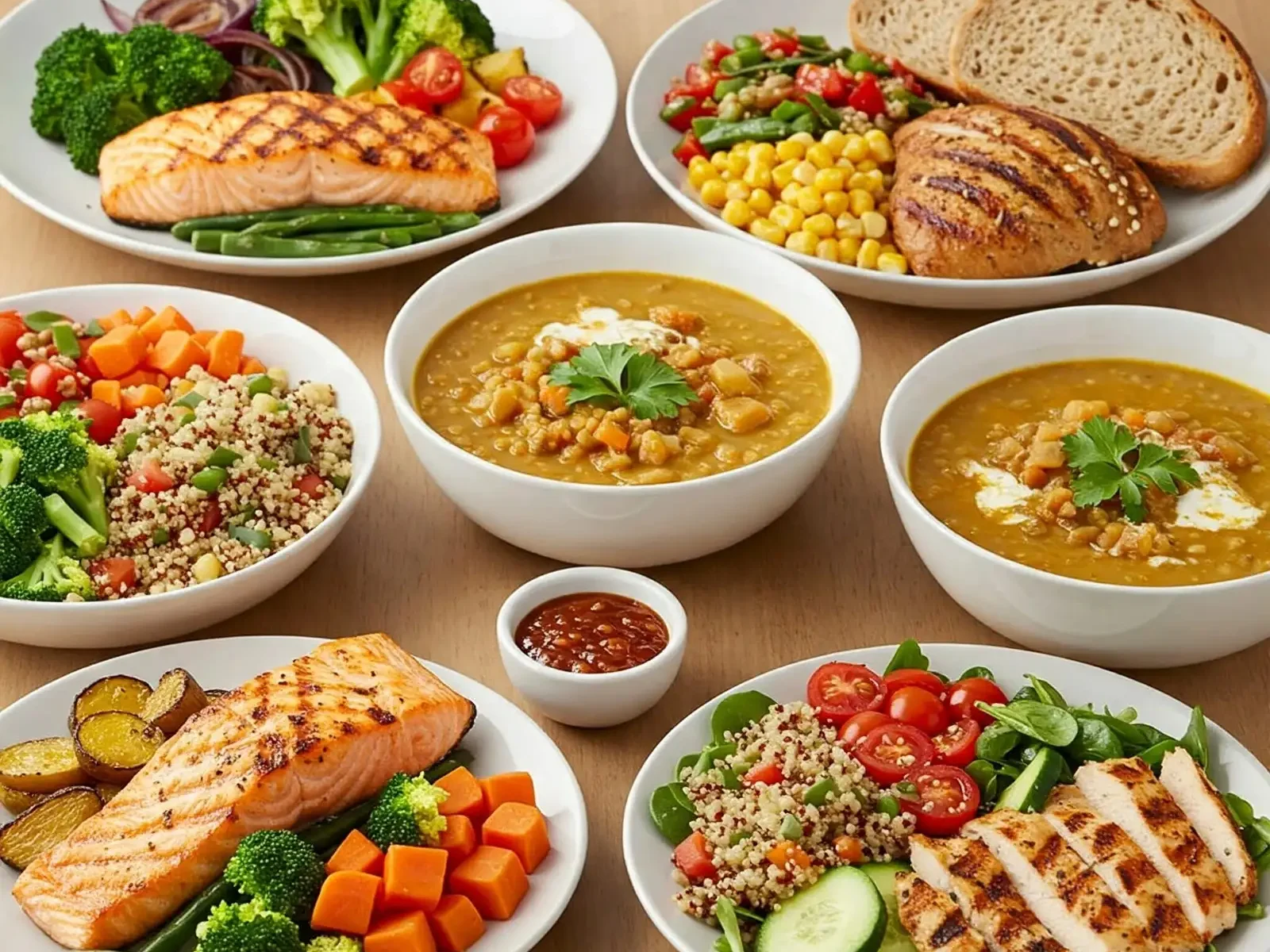
Dinner solutions focus on one-pan meals that simplify preparation. Sheet pan preparations combining lean proteins with colorful vegetables require minimal effort while producing complete meals. Chicken thighs with broccoli, bell peppers, and sweet potatoes create economical dinners with robust flavors.
Meatloaf prepared with lean ground turkey and hidden vegetables like grated carrots provides comfort food appeal while incorporating extra nutrition.
Building Positive Mealtime Experiences
Creating enjoyable family dining experiences supports long-term healthy eating habits. Schedule regular family meals without electronic distractions to encourage conversation and connection.
Avoid pressuring children to eat specific foods, instead focusing on positive reinforcement when they try new ingredients. Emphasize the variety and flavors of healthy foods rather than restrictions.
Gradual introduction of new ingredients works better than dramatic dietary changes. Children may need multiple exposures to new foods before acceptance, so maintain patience without creating mealtime conflicts.
Practical Implementation Tips
Start with familiar foods and gradually incorporate new ingredients. Choose one new recipe each week to prevent overwhelming family members while building kitchen confidence.
Involve older children in meal planning discussions, allowing them to suggest modifications that appeal to their preferences while maintaining nutritional goals.
Keep backup ingredients available for busy evenings when elaborate preparation isn’t feasible. Simple combinations like whole grain toast with nut butter, or bean soup with whole grain rolls, provide nutritious options without extensive preparation.
Heart-healthy family eating represents an investment in long-term wellness through improved energy, better health outcomes, and reduced food costs. By focusing on whole foods and involving family members in meal preparation, families can establish sustainable eating patterns that support health while remaining budget-conscious and delicious.