Starting the day feeling stiff or sluggish can make even simple movements feel challenging. Incorporating a short routine of gentle morning stretches is an effective way to wake up the body, increase flexibility, and boost energy. Targeted stretches help reduce tightness, improve circulation, and prepare the body for daily activity. When performed consistently, a few minutes each morning can have lasting benefits for overall mobility and comfort.

Why Morning Stretching Matters
During sleep, muscles and joints remain inactive for several hours, which can lead to stiffness and limited movement upon waking. Morning stretches gently activate the body, increase blood flow, and warm up muscles and joints. This preparation improves flexibility, enhances posture, and reduces the risk of strain during daily tasks. Additionally, stretching in the morning can help reduce tension, improve alertness, and create a positive start to the day.
Key Stretches for a Morning Routine
A balanced routine should include movements for the upper body, core, and lower body. These stretches can typically be completed in 10–15 minutes each morning.
Upper Body
Shoulder Rolls
Stand or sit upright. Slowly roll your shoulders forward in small circles five times, then reverse direction. This relieves tension and helps improve the range of motion in the shoulders.
Arm Circles
Extend your arms sideways and make small forward circles ten times, then switch to backward circles. Arm circles activate the shoulders and upper arms while increasing blood flow to the upper body.
Core and Back
Gentle Twists
With good posture, cross your arms over your chest and rotate your torso slowly to each side. Perform three repetitions per side. Gentle twists help loosen the spine, reduce stiffness in the core, and promote better posture throughout the day.
Side Stretches
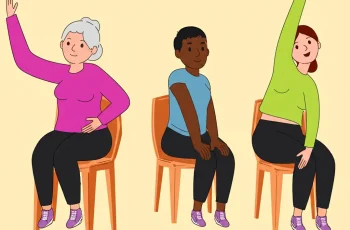
Standing with one hand on a support, raise the opposite arm overhead and lean gently to the side. Hold for a few seconds, then switch sides. Repeat three times per side. Side stretches elongate the ribs, shoulders, and torso muscles, creating more mobility in the upper body.
Lower Body
Ankle Circles
While seated, lift one foot slightly off the floor and rotate the ankle five times clockwise and five times counterclockwise. Repeat on the other foot. Ankle circles improve mobility in the lower legs and promote circulation.
Knee Lifts
Stand with support nearby, lift one knee toward your chest, then lower it slowly. Repeat five times per leg. This movement activates the hip flexors and legs, helping to improve balance and lower body mobility.
Tips for Safe and Effective Stretching
Safety and consistency are key to developing a successful morning routine. Keep the following guidelines in mind:
- Start Gradually: Begin with slow, controlled movements. Avoid pushing the body beyond its comfortable range of motion.
- Focus on Form: Proper alignment is more important than intensity.
- Consistency is Key: Daily stretching is more effective than occasional long sessions. Even a short five- to ten-minute routine can yield results over time.
- Listen to Your Body: Mild discomfort is normal, but sharp or intense pain indicates a need to adjust the movement or take a break.
- Set Realistic Goals: Flexibility and mobility improve gradually. Focus on small, consistent gains rather than immediate results.
Tracking Progress
Keeping track of improvements can help motivate and maintain a consistent routine. Monitor:
- Levels of stiffness or tightness in the morning
- Ease of movement during daily activities
- Overall energy and comfort
- Ability to perform tasks without tension
Journals, fitness apps, or short video recordings can help observe small improvements over time. Visual tracking allows you to see progress that might not be noticeable day to day.
Adapting Your Routine
Energy levels and flexibility vary daily. Adjust your routine to match how your body feels each morning:
- Reduce intensity or repetitions if muscles feel stiff
- Focus on gentler movements or fewer stretches
- Add short rest periods between exercises
- Use supportive props such as chairs, straps, or cushions for comfort
Flexibility and mobility improve best when routines are adapted to your needs, ensuring that exercises remain safe and effective.
Frequently Asked Questions
How soon can improvements be noticed?
With consistent practice, many people notice increased flexibility and ease of movement within two to four weeks.
What if discomfort occurs?
Stop immediately and rest. Resume stretches that feel gentle and comfortable. Never force a movement.
Can stretches be modified?
Yes. Adjust duration, intensity, and range of motion according to comfort and daily flexibility.
How often should stretches be done?
Daily practice is ideal. Consistency is the best way to maintain mobility, reduce stiffness, and improve overall energy.
Conclusion
Morning stretches are a simple yet powerful way to improve flexibility, enhance mobility, and energize the day. A short routine that targets the upper body, core, and lower body loosens muscles, improves circulation, and supports overall comfort. Safe implementation, gradual progress, and consistent practice help make stretching a sustainable daily habit. Over time, this routine can transform how the body feels each morning, promoting greater mobility, comfort, and readiness for the day ahead.